
IDC 4U1: Journal Entry Question #2
In photojournalism, when is it appropriate to use PhotoShop? When is it not appropriate? Does altering the photograph mean altering the truth?

A photojournalist’s job, through the medium of photography, is to document life and deliver accurate news to the public. After all, the camera never lies… or does it? With the advent of photo editing software, it has become increasingly difficult to find a picture that hasn’t, in some manner, been altered. Photos are cropped, brightened, sharpened, blurred – sometimes even changed entirely – to suit various needs. Given the ability to modify photos in any way one pleases, where should a photojournalist draw the line?
All adjustments made to a photograph alter the truth. Any modification, no matter how insignificant, changes what the photo is depicting and thus attempts to change the facts. For example, if one were to take a picture at a park and later use photo editing software to adjust the brightness of said photo, he/she would be conveying the message that the weather was sunnier than it actually was at the time the picture had been taken. Granted, it really doesn’t matter how brightly the sun was shining, but that doesn’t change the fact that adjusting the brightness caused a misrepresentation of the truth. Misrepresentations such as these, however, don’t pose any harm when it comes to the news. At least, I don’t think they do.
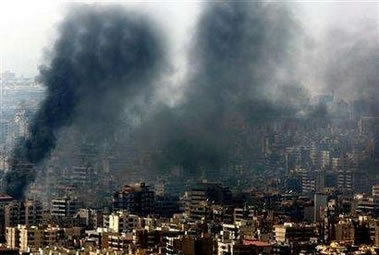
The only qualms I have with editing photos are when pictures like the one of Beirut’s fictional smoke plumes, taken by Adnan Hajj, are published by otherwise reliable news providers. The way in which the photographer manipulated the photo was completely unethical and the fact that a reputable company would publish such a blatant alteration is beyond me. There is no place for this kind of photo editing in the news.
In my opinion, software such as PhotoShop should be used to enhance photographs rather than alter their subject matter. It is only appropriate to make small changes to pictures, such as adjusting the sharpness or contrast, when they are to be shared with the world. They say that a picture is worth a thousand words but, if a picture distorts the truth, it is worthless.
All adjustments made to a photograph alter the truth. Any modification, no matter how insignificant, changes what the photo is depicting and thus attempts to change the facts. For example, if one were to take a picture at a park and later use photo editing software to adjust the brightness of said photo, he/she would be conveying the message that the weather was sunnier than it actually was at the time the picture had been taken. Granted, it really doesn’t matter how brightly the sun was shining, but that doesn’t change the fact that adjusting the brightness caused a misrepresentation of the truth. Misrepresentations such as these, however, don’t pose any harm when it comes to the news. At least, I don’t think they do.
The only qualms I have with editing photos are when pictures like the one of Beirut’s fictional smoke plumes, taken by Adnan Hajj, are published by otherwise reliable news providers. The way in which the photographer manipulated the photo was completely unethical and the fact that a reputable company would publish such a blatant alteration is beyond me. There is no place for this kind of photo editing in the news.
In my opinion, software such as PhotoShop should be used to enhance photographs rather than alter their subject matter. It is only appropriate to make small changes to pictures, such as adjusting the sharpness or contrast, when they are to be shared with the world. They say that a picture is worth a thousand words but, if a picture distorts the truth, it is worthless.

No comments:
Post a Comment